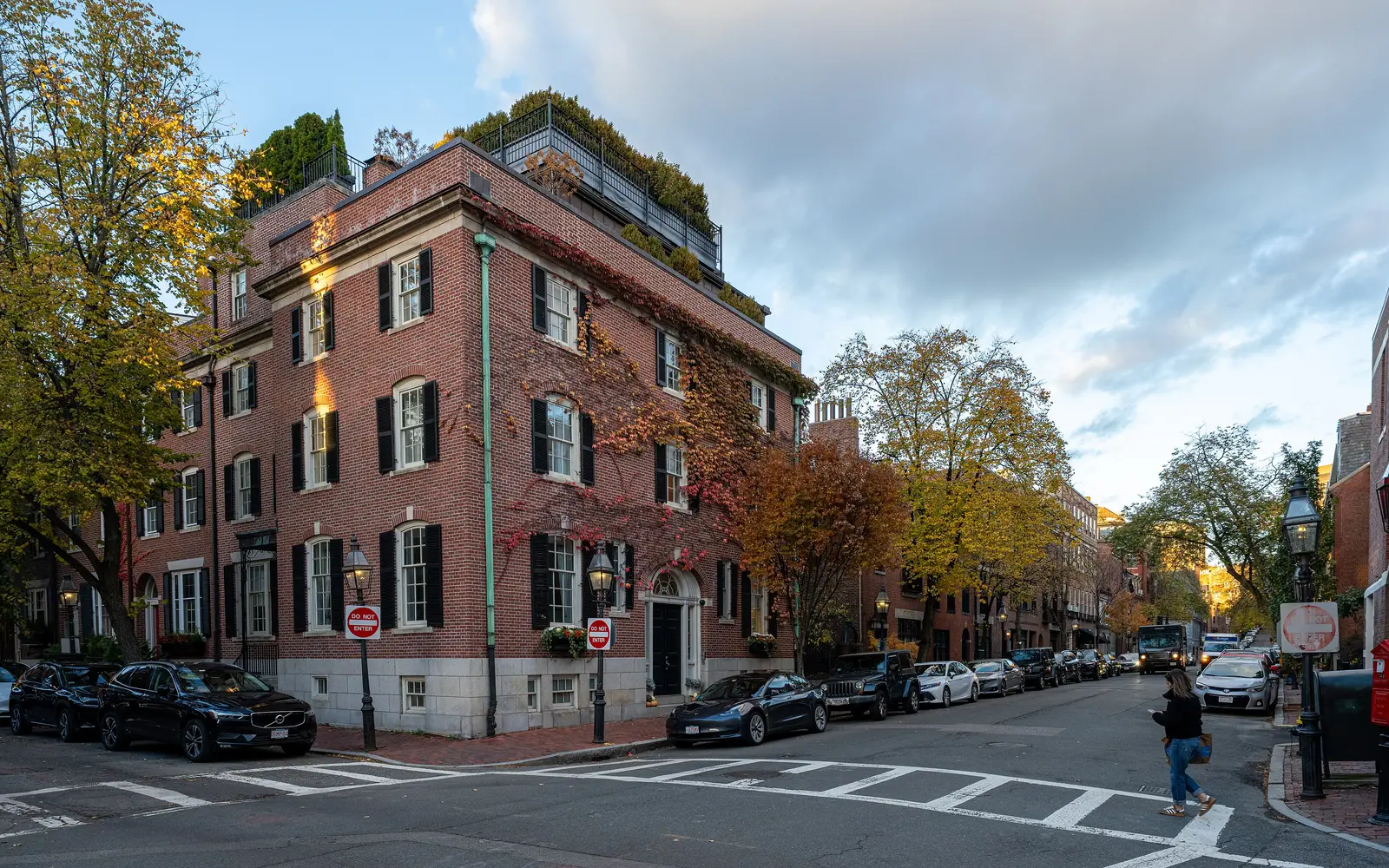
Photo: ajay_suresh, CC BY 4.0, via Wikimedia Commons

Boston, Massachusetts
Renting out property in Boston
The densest and most regulated rental market in the state, and the one with the most rigid turnover calendar — a very large share of city leases start on September 1.
Boston’s housing stock
- Triple-deckers and two-families across Dorchester, Roslindale and Hyde Park
- Brownstone and rowhouse conversions in the Back Bay, South End and Beacon Hill
- Mid-rise and high-rise condo units in the Seaport, Fenway and Downtown
- Post-war walk-up apartment buildings in Brighton and Allston
Who rents in Boston
Graduate students, early-career professionals and long-tenured families, varying sharply by neighborhood. The student-adjacent areas turn over annually; the outer neighborhoods hold tenants for years.
What makes Boston different to manage
The September 1 lease calendar compresses turnover, inspection and make-ready work into a few weeks, so a Boston unit has to be marketed on a schedule set months earlier. Boston also operates a formal rental registration and inspection regime, which owners of non-owner-occupied units cannot opt out of.
Common questions about Boston
Boston requires non-owner-occupied rental units to be registered with the city and inspected on a recurring cycle under its Rental Registration and Inspection Ordinance. This is stated as of 2026; requirements are set locally and do change, so confirm the current rule with the City of Boston Inspectional Services Department before a new tenancy begins. Livo Properties handles registration and inspection scheduling for the properties it manages.
Triple-deckers and two-families across Dorchester, Roslindale and Hyde Park; Brownstone and rowhouse conversions in the Back Bay, South End and Beacon Hill; Mid-rise and high-rise condo units in the Seaport, Fenway and Downtown; Post-war walk-up apartment buildings in Brighton and Allston. In practice the densest and most regulated rental market in the state, and the one with the most rigid turnover calendar — a very large share of city leases start on September 1.
Graduate students, early-career professionals and long-tenured families, varying sharply by neighborhood. The student-adjacent areas turn over annually; the outer neighborhoods hold tenants for years.
The September 1 lease calendar compresses turnover, inspection and make-ready work into a few weeks, so a Boston unit has to be marketed on a schedule set months earlier. Boston also operates a formal rental registration and inspection regime, which owners of non-owner-occupied units cannot opt out of.
All of it — including Dorchester, Jamaica Plain, South Boston, Brighton, Allston, Roslindale, East Boston, Charlestown, Back Bay and Fenway. Livo Properties manages residential rental property across Greater Boston, so a portfolio spread over several cities is handled by the same team on the same statement.
MBTA Red, Orange, Blue and Green lines; Commuter rail out of South Station and North Station; Extensive bus network; many neighborhoods are genuinely car-optional. Transit access is one of the strongest drivers of what a unit achieves, and it is a factor in every rental analysis we produce.
Areas near Boston we manage
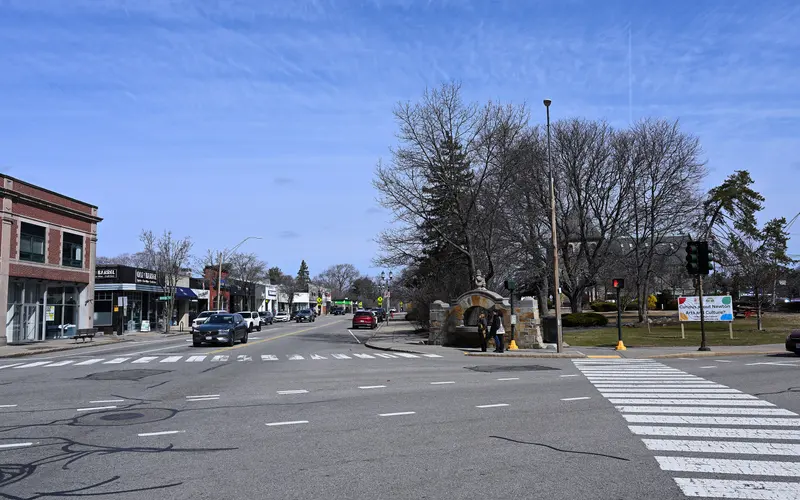
Property management in Newton
Thirteen villages rather than one city, with a rental market of single-family homes, two-families and condos let largely to families and relocating professionals.
Newton guide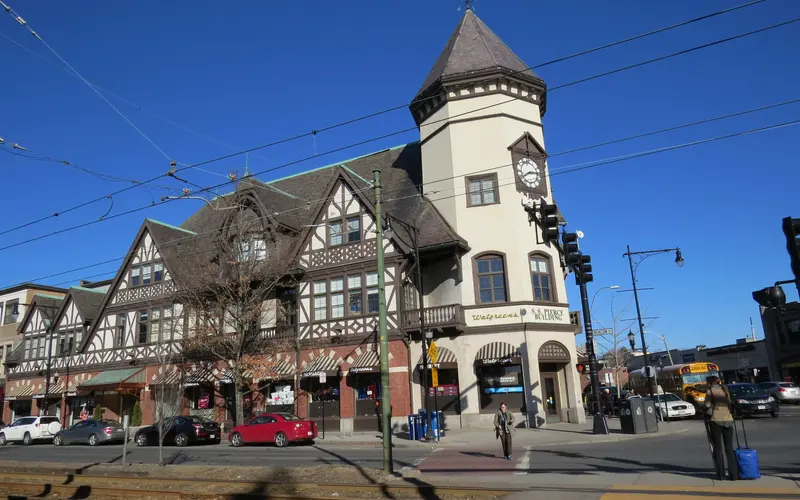
Property management in Brookline
A town wrapped around Boston’s western edge, with a large stock of pre-war apartment buildings and a rental market driven by the Longwood Medical Area.
Brookline guide
Property management in Cambridge
A university-anchored rental market with unusually low vacancy and unusually informed tenants, where a well-presented unit rarely sits.
Cambridge guide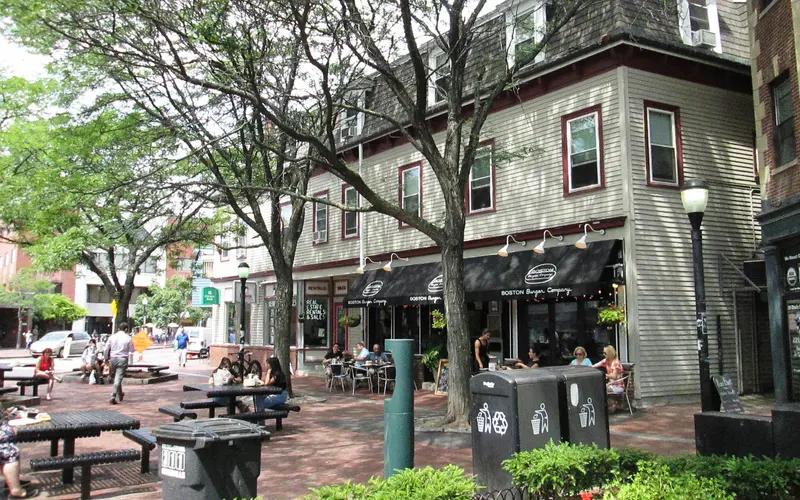
Property management in Somerville
One of the most densely populated cities in New England, built almost entirely of two- and three-family houses, and reshaped by the Green Line Extension.
Somerville guide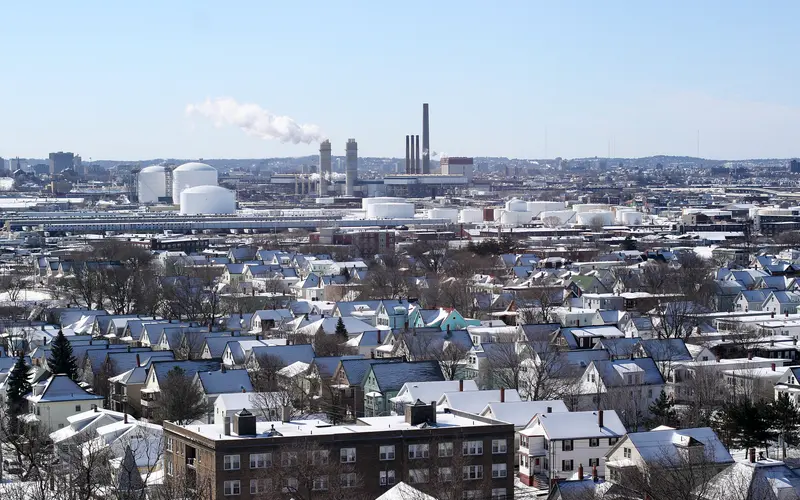
Property management in Everett
A small, dense city immediately north of Boston, made up overwhelmingly of two- and three-family houses, and one of the fastest-changing rental markets we cover.
Everett guide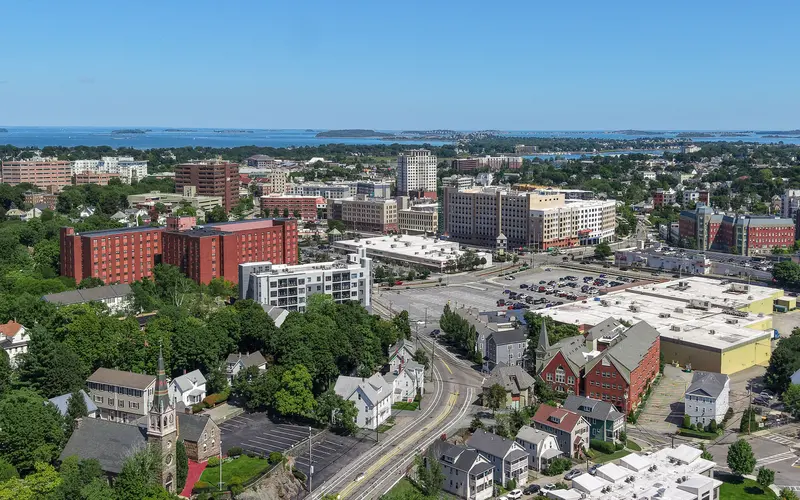
Property management in Quincy
A large coastal city on the Red Line with a broad range of housing and rents materially below the Cambridge and Somerville band.
Quincy guideThinking about renting out a Boston property?
Start with a conversation and a written quote. Clients then get a written rental analysis: what the unit should ask, what it needs before it goes to market, and how quickly it is likely to lease in Boston.